
Underrated Underground: Four Under-Discussed Albums That Deserve Your Attention
The best Rock, Pop, Hip-Hop, and Electronic music of the year that you may not have heard yet.

Yes, I loved the Geese and Cameron Winter records from this year, so much so that I saw them live on their most recent tour. The same is true for Clipse’s astonishing comeback “Let God Sort Em Out,” and Danny Brown’s return to the rave “Stardust.” But if you’ve found this tiny music blog, odds are you’re already familiar with these albums and have had their scores locked in on your rateyourmusic account since shortly after their release. It’s been an excellent year for music, especially outside of the top 40, and it’s invigorating as a music fan to see so many quality albums getting the credit they deserve. But every year there are those albums that you swear by, that you think deserve AOTY consideration, but are conspicuously absent or lowly ranked on the Pitchfork and Anthony Fantano year-end lists that are now seen as the standard. In this piece I will highlight one album in each of the major genres I listen to (Rock, Pop, Hip-Hop, Electronic) that I believe is excellent, groundbreaking, and most of all, unfairly overlooked.
Rock
Agriculture-The Spiritual Sound
Ecstatic black metal searching for serenity through extremity, reaching past excruciation toward bliss.
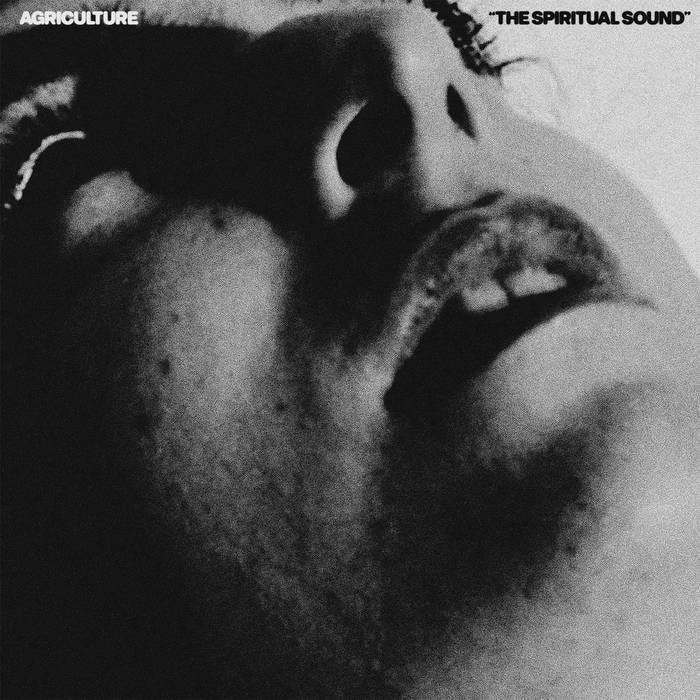
I was first introduced to Agriculture when they opened for Chat Pile late last year and have been obsessed ever since. Like most (good) outside-the-box American black metal they receive ample Deafheaven and Liturgy comps, but their commitment to highlighting the blinding light of the universe, not just the usual suffocating darkness, makes them truly unique. Album opener “My Garden” is easily the most They Must Be Out Of Their Damn Minds-inducing album introduction in recent memory, serving as an endurance test for the listener that is supremely rewarding, every moment of gnashing friction receives a satisfying and serene payoff, a consistent theme throughout the record. Lead single “Bodhidharma” features one of the album’s most interior and delicate passages right before exploding into the most reality-shredding guitar solo of the year, a magnum opus of technical ability and intentional exaggeration that grips you to the wall like a carnival gravity ride. Black Metal Bona Fides are re-affirmed throughout the album while still highlighting the rare sensitivity that makes Agriculture special. This album feels like sobbing at the majesty of the sunrise, like noticing the fullness of the moon while you bleed out in the snow.
Best of the best: “Flea,” “Micah (5:15am),” “The Reply.”
Rap
quinn & FearDorian-Before You Press Play
Two teen prodigies imbuing traditional hip-hop structure with new-gen aesthetics, bridging the gap between MIKE and Earl and Uzi and Carti.
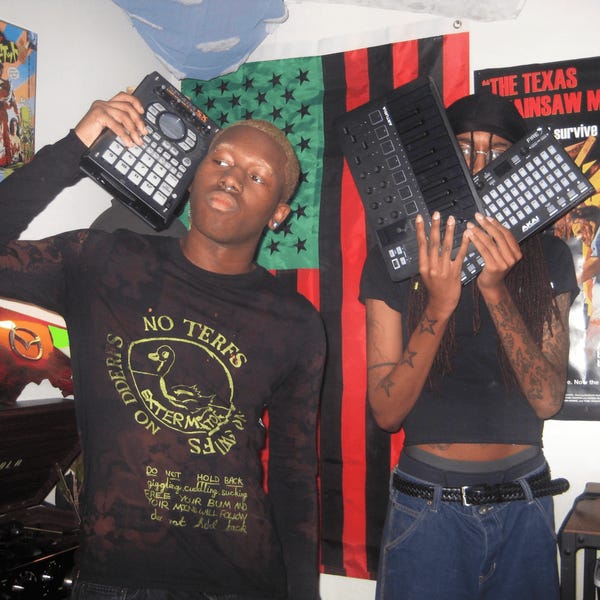
Both FearDorian and quinn rose to internet prominence as teenagers for their inventive production and idiosyncratic flows, each pulling at the threads of SoundCloud rap, emo, hyperpop, and jersey club (just to name a few) to create unique hip-hop that is both progressive and familiar. FearDorian’s breathy, blunt vocal consonance starkly contrasts quinn’s more explorative, crooning melodics. A tried and true yin-yang combination that has excelled in hip-hop since OutKast. Despite employing flows that bad-faith old heads would dismiss as “mumble rap,” both emcees are undeniably getting bars off at a very high level, so much so that any of these songs would satisfy the most jaded rap purist if they read the lyrics and imagined Dave East or Benny The Butcher saying them. This is well-studied hip-hop to its core: sample flip, drum loop, back to back 16s with no hooks for miles.
Just to be clear, this record isn’t great in spite of its ad-lib and autotune rapping, but because of it. Intoxicating and infectious, quinn and FearDorian provide some of the most head-bouncing and stankface-inducing vocals of the year while never sacrificing introspection. Both rappers show the ability to unpretentiously showcase their emotions and vulnerabilities while still retaining the gravitas necessary to Talk That Shit. On “I don’t witness you as anything,” FearDorian spits the line “New stick in the crib, what the fuck I do with it? We drop clips out the tec leave a ***** oozing,” over an Adrien Lenker sample right after lamenting a past abusive relationship. It’s this duality that both rappers have tapped in to that makes them so special both individually and as collaborators. On “so i don’t forget” quinn opens her verse with “Toting rifles like it’s Waco, want the shotty or the draco, ima catch a body if I say so.” while the sampled acoustic guitar and vocals of bedroom emo cult classic “Wooden Girl” by Pino Placentile hang in the background under distorted bass. This album proves that hip-hop is in a great place, and if you disagree maybe you just need to catch up. The distorted drums and effect-fried vocals is the now, don’t let the Instagram rappers and industry clout-chasers trend-hopping it recently allow you to dismiss two of the innovators of the sound performing it at its best. If you’re a fan of Niontay, 454, or MIKE’s recent work with Tony Seltzer this one is absolutely for you. If you’re a hip-hop head and the sound is too different for you, or a hyperpop fan lamenting the lack of choruses, in the words of FearDorian, “fake tapped in, you are not the movement.”
Best of the best: “glass,” “L train vintage,” “distance.”
Electronic
Khadija Al Hanafi-!OK!
A love letter to footwork so compelling and enjoyable that it evades the “plastic footwork” label despite no connection to Chicago.
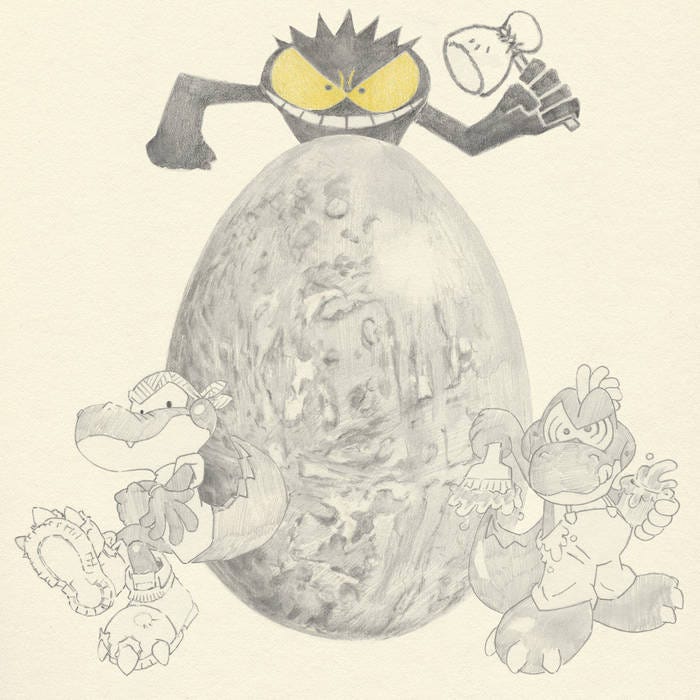
I grew up in Chicago, and am incredibly protective of our often misunderstood cultural exports. I will be the first to tell you that UK and NYC drill are mislabeled (I like the music, it should just be called something else. Calling central cee and fivio foreign drill is like calling The Ramones metal or calling Metallica punk. Similar, but the differences are massively important). I also tend to scoff at anything that aspires towards the frenetic percussion of footwork, a genre I hold closer to my heart than maybe any other. I was first introduced to Teklife, the forever gold standard of footwork, through my involvement in the Young Chicago Authors slam poetry scene. That may sound odd, but Chicago was just like that in the early 2010s. One of my friends once bought fake Xanax from Lucki Eck$ (now LUCKI) at the Louder Than A Bomb semi-finals, and Jamila Woods was one of the judges on one of my first slams. The Chicago slam poetry scene was, and is, indelibly connected and indebted to Chicago’s rich culture of Black music, past and present. The first time I saw someone footwork to a classic track in the old YCA HQ on Milwaukee, I was fascinated and in love. I went to every footwork show/party I possibly could, popping out to every street festival, trying and mostly failing to sneak into East Room and Smart Bar underage. I practiced alone in my room for hours, closely studying the cadence and rhythm of both the dance and the music, preparing for whenever RP Boo, DJ Manny, or DJ Taye’s next show was. Being a dorky and soft white kid from the north side, it was very important to me that I appeared as a humble and appreciative fan and participant rather than an outsider hopping on a wave. Khadija Al Hanafi is also separate from the genre due to her lack of Chicago roots, but approaches footwork with the level of genuine gratitude I aspired to as a teen, and does so with a talent for, and understanding of, the genre that is no less than impeccable.
Repetitive, chopped vocal samples harken back to the brilliance of DJ Nate, while some of the drum sounds used sound straight out of the iconic “Michael Myers meets Footwork” video that took Chicago by storm (RIP CooL and GMac, you have not been forgotten). The “Double Cup” influence is massive, with multiple tracks that wouldn’t sound out of place in a current day DJ Spinn set. While wearing its influences on its sleeve, !OK! never feels like imitation. It is clearly the work of a hyper-creative young producer who has found the subgenre that best captures her soul, and the sound she’s created is all her own. It overwhelms me with happiness that DJ Rashad’s musical genius is influencing lives and opening minds to this day, all the way in Khadija Al Hanafi’s native Tunisia. His spirit will live forever.
!OK! fuses immaculate, 70’s soul-heavy sample selection with percussion passages that showcase a playful and respectful approach to the genre. The warm reverence Khadija Al Hanafi clearly holds for the tropes and trailblazers of footwork is deeply ingratiating, and at no point does she feel like a tourist. If I didn’t already know she wasn’t, based on this album I would have assumed she was from Chicago. There is no greater compliment I can possibly give.
Best of the best: “!OK!,” “Outro (Crybaby),” “DJ HANAFI.”
Pop
yuele-Evangelic Girl Is A Gun
Glitch-heavy EDM and catchy Alt-Rock work hand-in-hand to create power-pop euphoria.
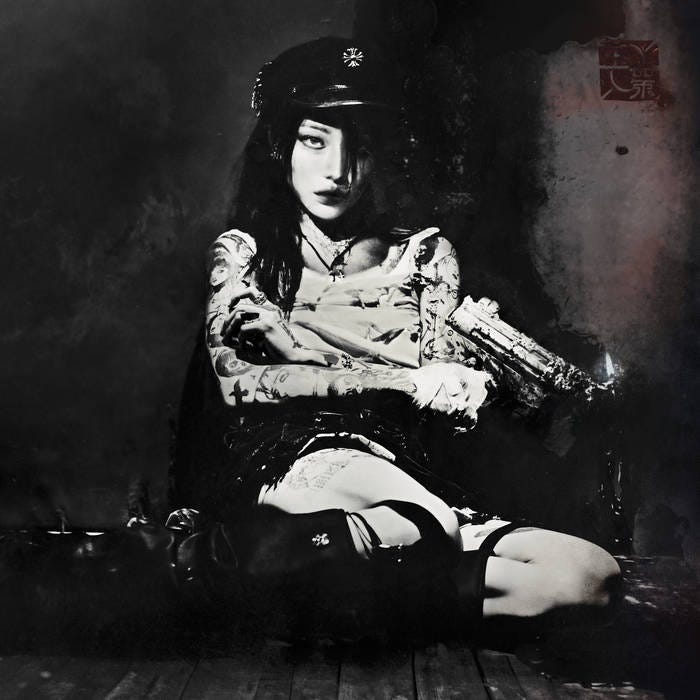
What even is pop music these days? The fact that this question even deserves to be asked is a good sign for the genre, as it feels like the breadth of what Pop Girls are allowed to be has never been wider. Despite this, the genre has recently reached the staleness that typically preludes reinvention. The genre is still dominated in the mainstream by Taylor Swift regurgitations and a (disappointingly) past-her-songwriting-prime Beyoncé. The Britney Method is still a certified star maker, with Sabrina Carpenter and Chappell Roan bringing tongue-in-cheek humor and sexuality back to the Billboard charts, shouldering the mantle of the safe-for-work radio faux-provocateur that is edgy enough to be exciting, but safe enough for parents to feel comfortable buying concert tickets. The industry promoted “alternatives” like Billie Eillish and Lorde have drastically conformed to the pop paradigm, and the recent nonconformist records by the most interesting of the capital P Popstars (Lana Del Rey and Ethel Cain) have unfortunately been overshadowed by their white trash internet war over who is the most previously cancelled. Two of the mainstream mega-idols, however, have truly stood out, primarily due to their rejection of traditional vocal pop in favor of more “underground” sounds. Charli XCX brought glitchy, blown out EDM to the forefront via SOPHIE and Gesaffelstein production, and Olivia Rodrigo reveled in alt-rock revivalism with very convincing and earnest Hayley Williams and Courtney Love impressions. But one artist, yuele, took these two recent revelations in pop music and put them together to create a record that is endlessly compelling while never sacrificing listenability.
Don’t let the muted and dreamy opener “Tequila Coma” fool you, this album is as bombastic as yuele’s voice is gentle, and retains a shocking amount of serotonin-flooded pleasantness through its many avant-garde inflections. The titular track is an unapologetic club bumper that feels like it’s from an entirely different album than the next track, the moody no-wave influenced “Skullcrusher,” which sounds like it should be on a record by a band like Fleshwater rather than a pop singer. Conversely, both “Dudu” and “Eko,” are pure skipping-down-the-street pop music that showcase the depth the genre is capable of. yuele chooses to mostly abandon autotune on this album, and does so with such success that I wish she never used it in the first place, as her voice is not just traditionally pretty, but just flawed enough to be compelling and undeniably human. A jarringly succinct statement on the power and plasticity of pop music, made so impenetrably well that even the most pretentious cynic (me) has to give bouquets where they’re due.
Best of the best: “The Girl Who Sold Her Face,” “Evangelic Girl is a Gun,” “1967.”